
Start with the roof
Direction, pitch, shading, usable area and roof condition all affect expected generation. South-facing is not the only workable option, but every roof should be assessed on its own merits.
For the right home, solar can reduce the amount of electricity bought from the grid and make more of the roof work for the household. But the answer depends on the roof, usage, tariff, installed cost and how well the system is designed.
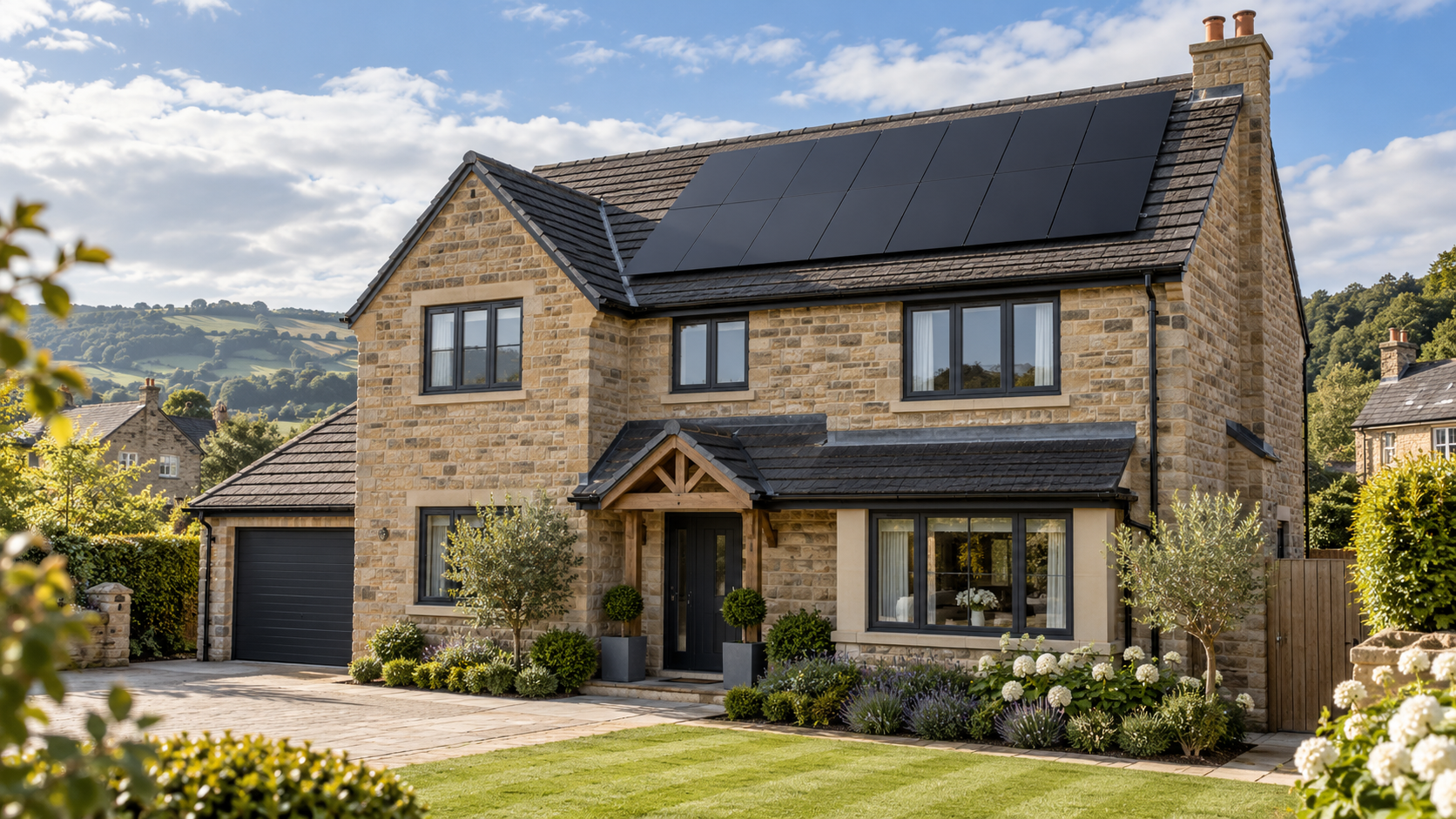
Direction, pitch, shading, usable area and roof condition all affect expected generation. South-facing is not the only workable option, but every roof should be assessed on its own merits.
Solar is more valuable when the household can use a useful share of the electricity while it is being generated. Working from home, EV charging, hot-water diversion and battery storage can all change that pattern.
Solar PV works from daylight rather than heat, so it still generates in winter. Shorter days and lower solar intensity mean output is normally much lower than in summer, which is why annual generation matters more than judging the system from one month.
The right number of panels depends on available roof area, expected annual generation, household consumption and future plans such as an EV or battery. Filling every available roof face is not automatically the best financial answer.
The strongest projects balance likely generation, household use, installed cost and a system specification that actually fits the property.
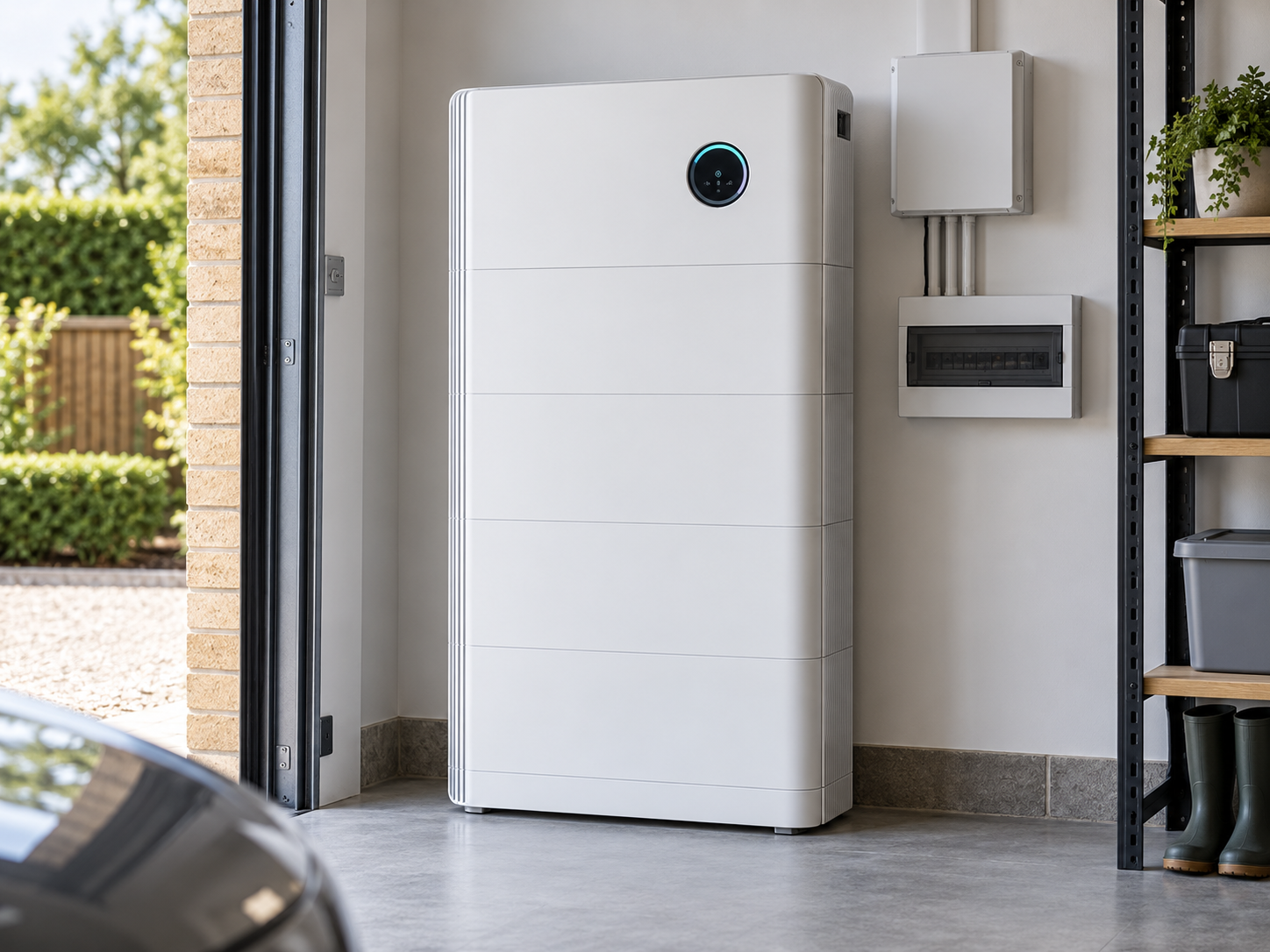 Usage
Daytime consumption, battery storage, EV charging and hot-water diversion can all increase the amount of solar electricity used within the home.
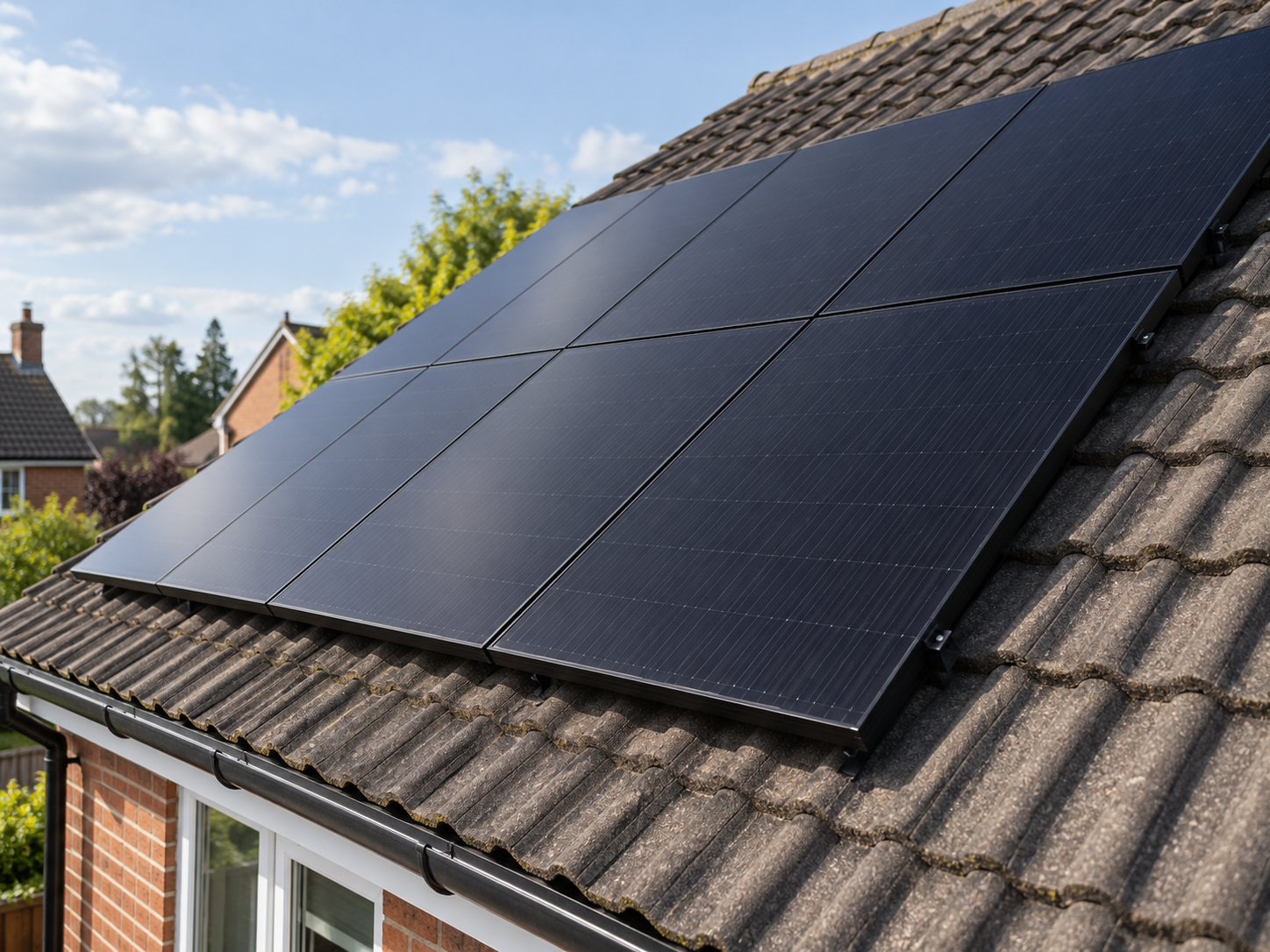 Roof
Orientation, shading, roof pitch and the usable panel layout determine how much energy the array is likely to produce over a year.
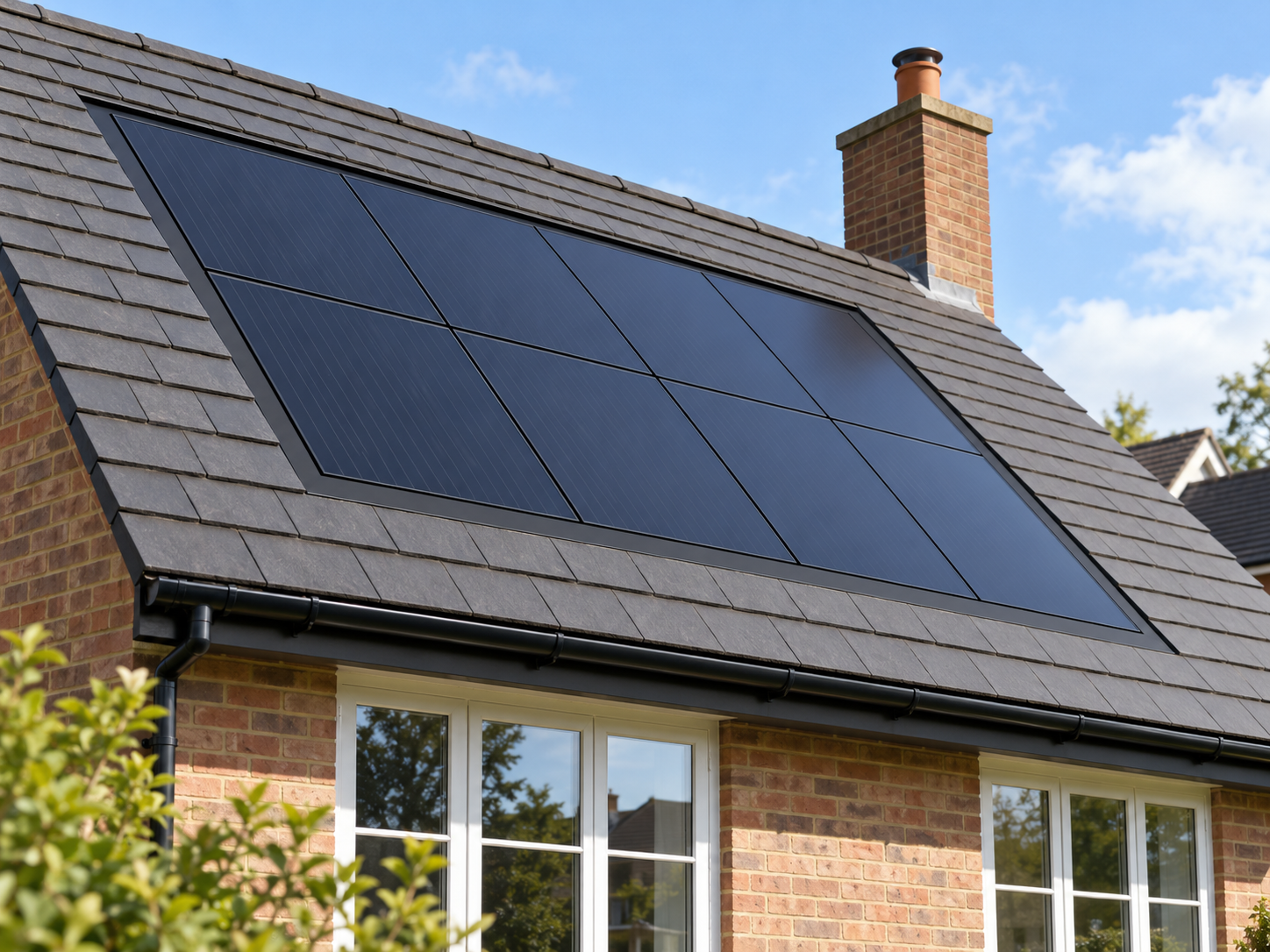 Cost
Scaffolding, mounting, inverter, electrical work and storage can make two quotes for the same property very different products.
Yes. Solar PV generates from daylight, so it still produces electricity in winter. Output is usually lower because days are shorter and solar intensity is weaker, so the useful comparison is expected annual generation rather than one winter month.
There is no standard number for every home. Roof area, orientation, shading, annual electricity use and future plans such as an EV or battery all affect the sensible array size.
No. A solar-only system can still make sense. A battery may improve self-consumption or work with time-of-use tariffs, but the capacity and economics should be assessed separately rather than assumed.
Payback varies with installed cost, generation, electricity prices, export payments, how much solar you use yourself and whether storage is included. A fixed payback promise without those inputs is not reliable.
Goldridge Renewables handles the enquiry and comparison journey. Where you proceed, the physical installation is completed through selected appropriately MCS-certified installation partners.
Start with the postcode, roof and household electricity use. We can move that towards an indicative price before the technical installation details are verified.