
Roof direction and shading matter
South-facing is not the only workable option. East and west-facing roofs can also be suitable, while shading, roof pitch and available area all affect likely generation.
From a straightforward on-roof array to a cleaner in-roof finish, the right solar system starts with the property, the household and what you want to achieve.
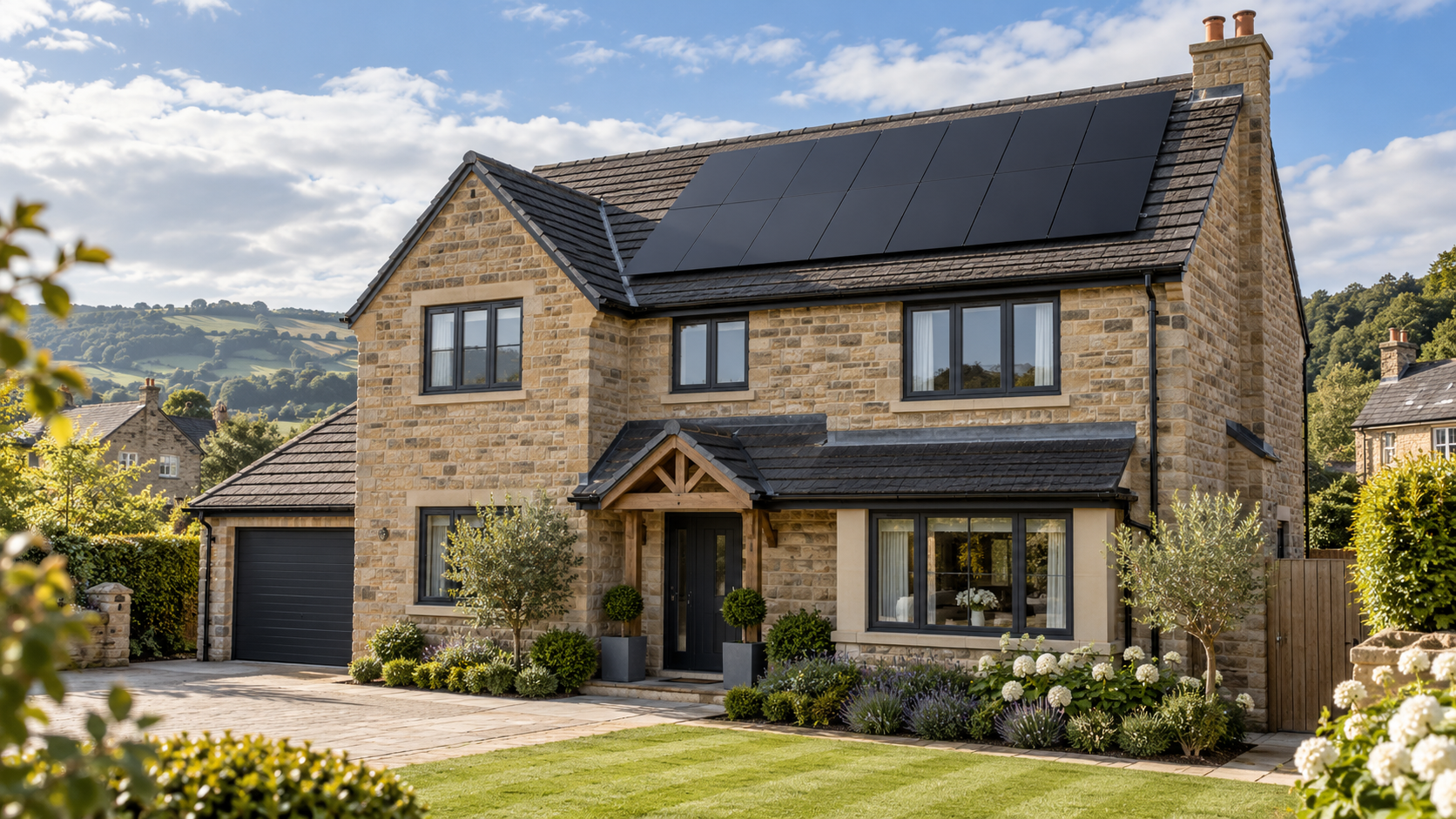
South-facing is not the only workable option. East and west-facing roofs can also be suitable, while shading, roof pitch and available area all affect likely generation.
A bigger array is not automatically better. The useful answer depends on the household's annual electricity use, when that electricity is used and whether storage or EV charging is planned.
Cable routes, panel alignment, inverter position and roof mounting can make the difference between a tidy home-improvement project and an installation that looks like an afterthought.
Battery storage, EV charging and solar hot-water diversion can all change how much of your own generation you are able to use.
Both approaches can create a tidy result. The decision usually comes down to the existing roof, aesthetics, budget and whether the roof covering is being replaced.
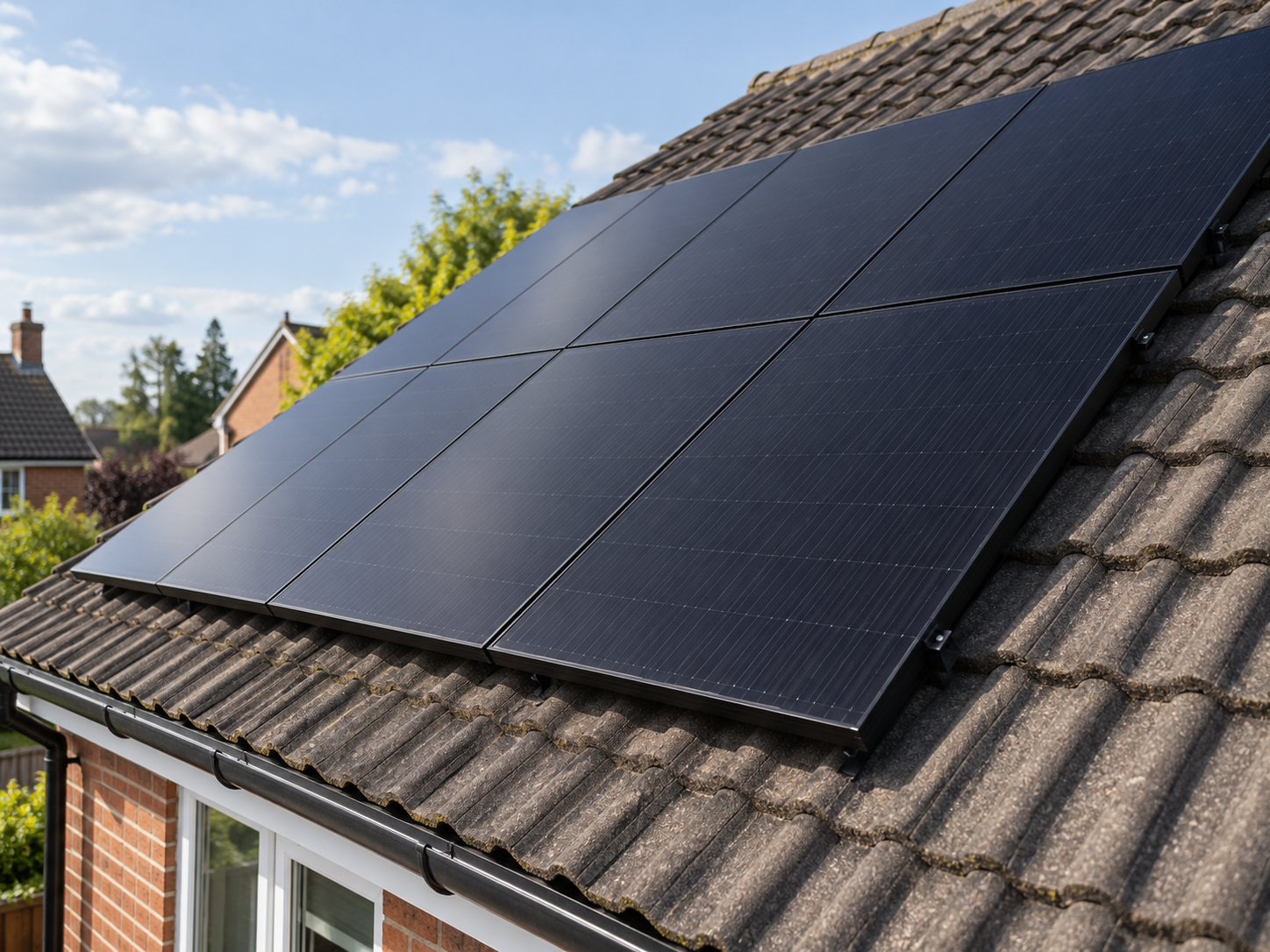 On-roof
A conventional rail-and-hook system that fixes the PV array above the existing roof covering. A practical option for many tiled and slate roofs.
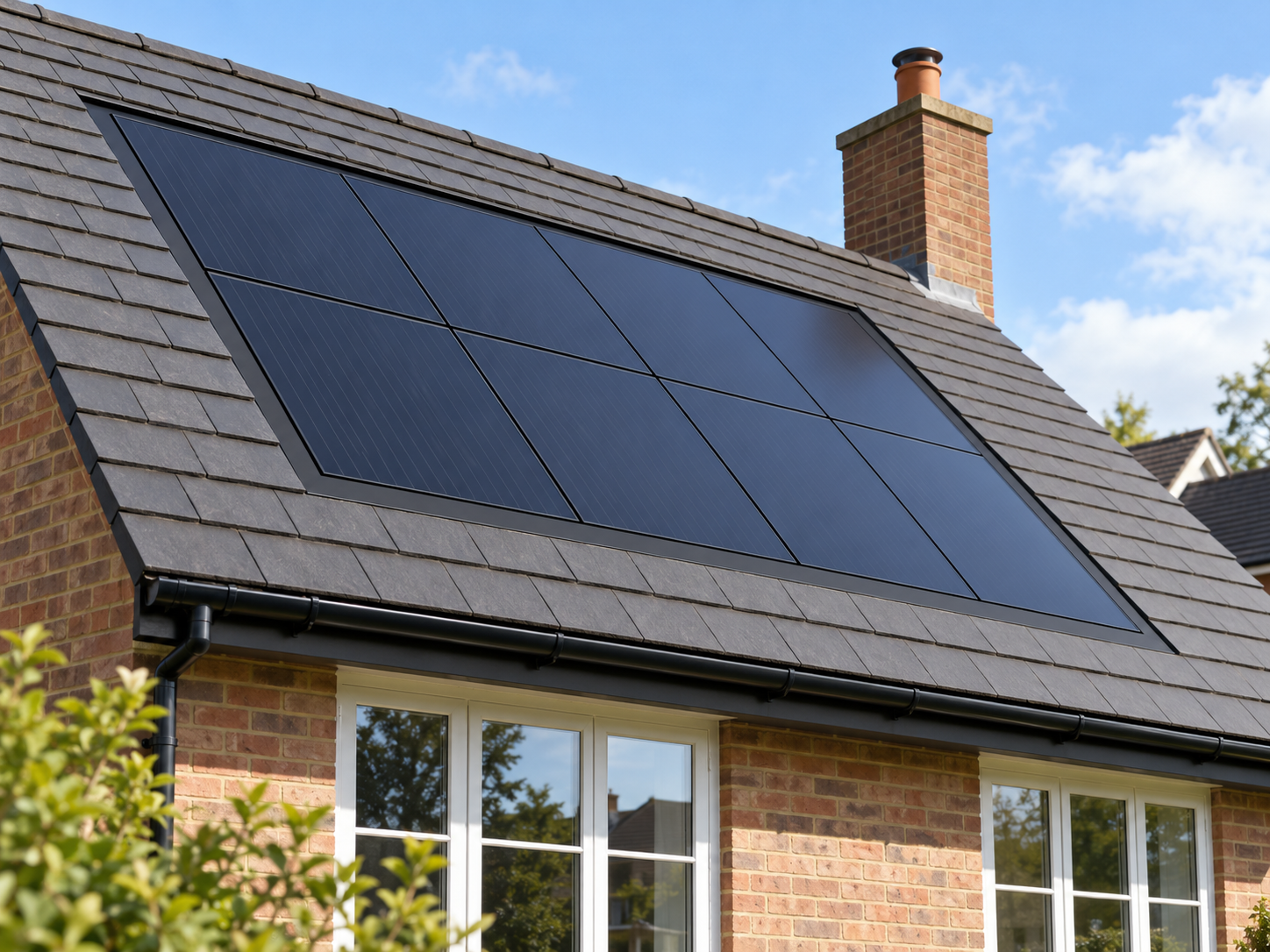 In-roof
The PV modules are integrated into the roof finish, replacing the tiles or slates beneath the array for a flatter, more built-in appearance.
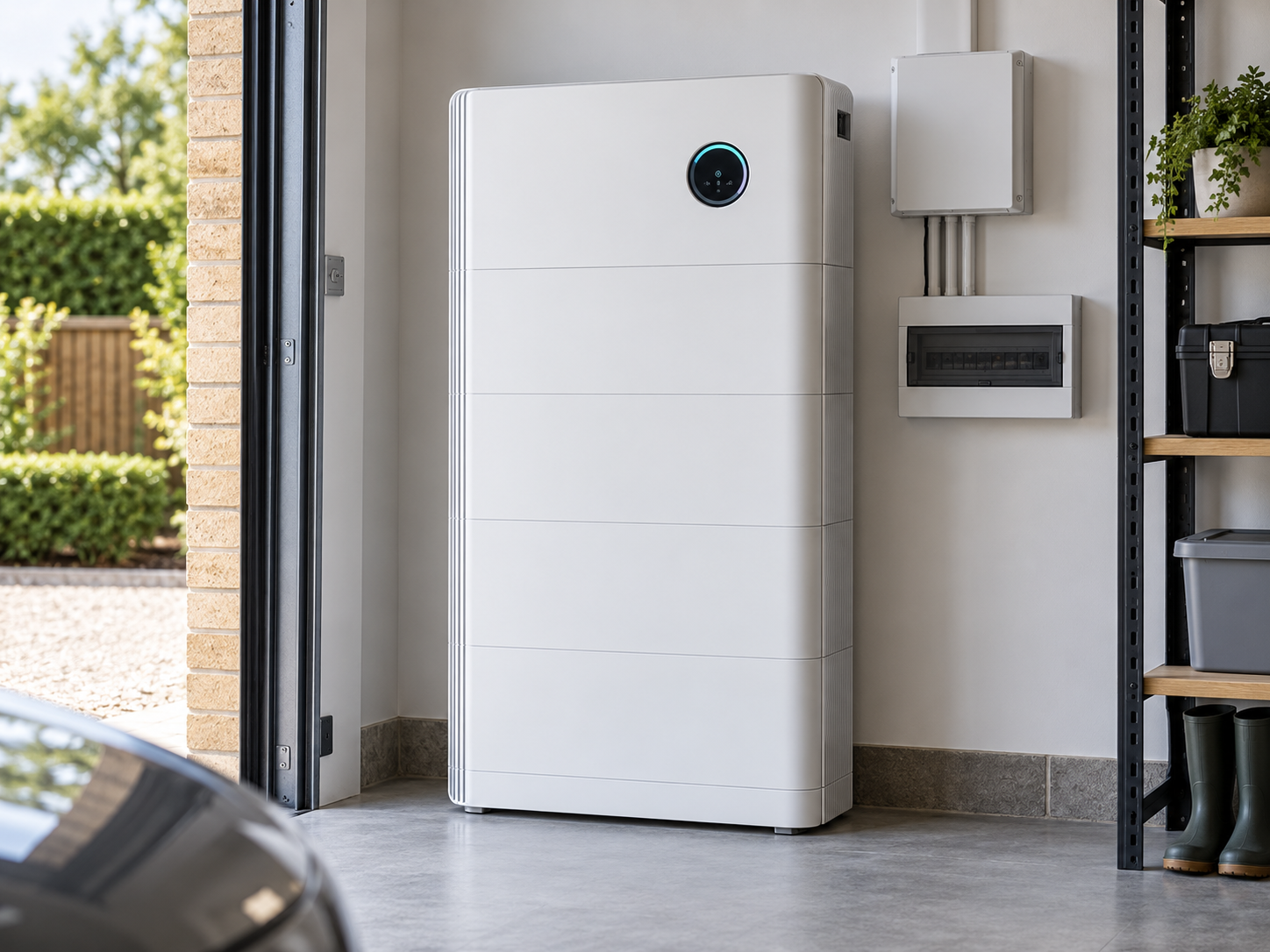 Whole system
Pair the roof array with a compatible hybrid inverter and battery when you want to keep more daytime generation for later use.
There is no useful single number. The sensible panel count depends on annual electricity use, available roof area, orientation, shading and whether the home will also charge a battery or EV.
No. South-facing roofs can perform strongly, but east and west-facing roofs can also be suitable. Expected generation should be modelled for the actual roof rather than ruled in or out from direction alone.
Yes, in many cases. The fixing method, labour and access can differ from a straightforward tiled roof, so the roof covering needs to be factored into the design and quotation.
It depends on when the household uses electricity, the size of the solar array, tariffs and what you want from the system. A battery can be useful, but the capacity should follow the household rather than simply choosing the largest option.
Tell us the basics about the property and what you want from the system. We will use that to move the enquiry towards a relevant quotation.